
Urban Ecology: Finding Balance Between Cities and Nature
- Advertisement -
As the global population continues to shift toward urban living, cities are expanding at an unprecedented pace. Skyscrapers rise, infrastructure grows, and natural landscapes are often reshaped or replaced to accommodate development. While urbanization brings economic growth and innovation, it also creates significant environmental challenges. The question facing modern society is no longer whether cities will grow, but how they can grow responsibly. Urban ecology offers a powerful answer by exploring how cities can coexist with nature while creating sustainable, livable environments.
The Challenge of Urban Expansion
Urban areas are responsible for a large share of global energy consumption, pollution, and habitat loss. As cities expand, green spaces are often sacrificed, leading to reduced biodiversity and increased environmental stress. Air quality declines, temperatures rise due to the urban heat island effect, and natural water cycles are disrupted by concrete and asphalt.
These changes not only affect ecosystems but also human health. Limited access to green areas has been linked to increased stress, reduced physical activity, and a decline in overall well-being. The challenge lies in reversing this trend by integrating nature back into urban environments rather than excluding it.
Rethinking Cities as Living Ecosystems
Urban ecology encourages a shift in perspective: cities should not be viewed as separate from nature, but as part of it. This approach treats urban areas as dynamic ecosystems where humans, plants, animals, and infrastructure interact continuously.
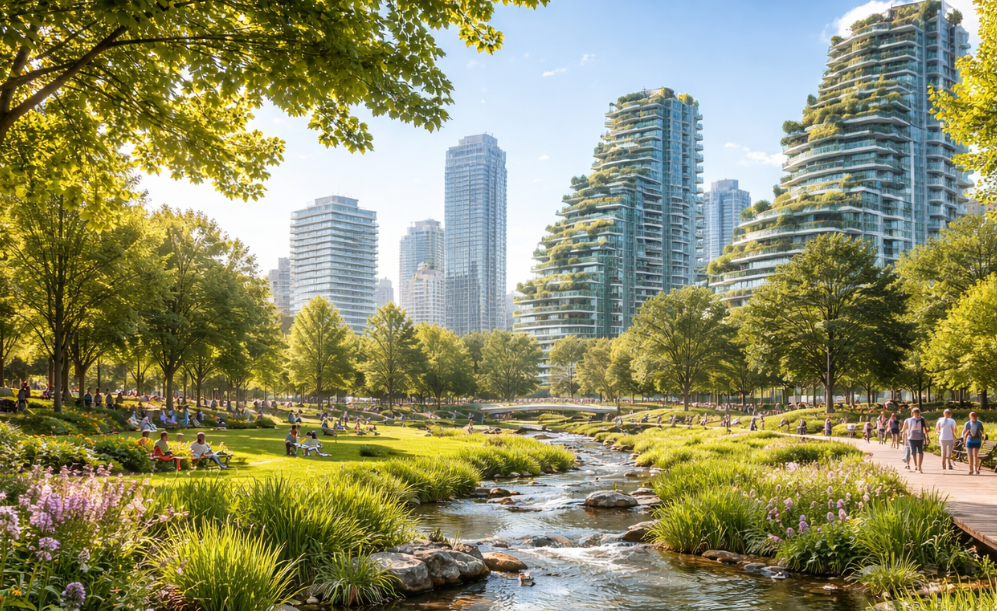
By adopting this mindset, urban planners and architects can design cities that support biodiversity and natural processes. Instead of removing vegetation, cities can incorporate it into their structure. Parks, green roofs, urban forests, and waterways can become essential elements of city design rather than afterthoughts.
This integration helps restore ecological balance while improving the quality of life for residents. A city that embraces nature becomes more resilient, adaptable, and sustainable over time.
Green Spaces as Essential Infrastructure
Green spaces are often perceived as decorative or recreational features, but in reality, they function as critical infrastructure. Trees and plants absorb carbon dioxide, filter pollutants, and provide shade that reduces urban temperatures. Green areas also help manage stormwater by absorbing rainfall, reducing the risk of flooding.
Urban parks, community gardens, and tree-lined streets create opportunities for social interaction and physical activity. They offer a refuge from the noise and intensity of city life, contributing to mental health and emotional well-being.
Even small interventions can make a difference. Pocket parks, vertical gardens, and green corridors connecting different parts of a city can collectively create a network of natural spaces that support both people and wildlife.
Innovative Solutions for Sustainable Cities
Modern cities are increasingly adopting innovative solutions to strengthen the relationship between urban development and nature. Green roofs, for example, transform unused building surfaces into spaces that support vegetation, improve insulation, and reduce energy consumption. Living walls bring greenery into dense urban areas where traditional parks may not be feasible.
Urban agriculture is another growing trend. Rooftop farms and community gardens allow residents to grow food locally, reducing the environmental impact of transportation while fostering a sense of community. These initiatives also promote awareness of sustainable practices and reconnect people with natural cycles.
Water management is another critical area of innovation. Permeable pavements, rain gardens, and restored wetlands help cities handle heavy rainfall more effectively while supporting local ecosystems. These solutions demonstrate that infrastructure and nature can work together rather than compete.
Biodiversity in the City
One of the key goals of urban ecology is to protect and enhance biodiversity within cities. Even densely populated areas can support a surprising variety of plant and animal life when designed thoughtfully. Birds, insects, and small mammals can thrive in urban environments if they have access to food, shelter, and safe habitats.
Creating biodiversity-friendly spaces involves planting native species, preserving existing habitats, and reducing the use of harmful chemicals. Urban planners can design corridors that allow wildlife to move safely between green areas, preventing isolation and promoting healthy ecosystems.
Encouraging biodiversity is not just about protecting nature—it also strengthens the resilience of urban environments. Diverse ecosystems are better able to adapt to changes and recover from disturbances.
The Role of Communities and Individuals
While city planning plays a major role in urban ecology, individuals and communities also have a significant impact. Residents can contribute by planting trees, maintaining gardens, reducing waste, and supporting local environmental initiatives.
Community involvement fosters a sense of ownership and responsibility toward shared spaces. When people actively participate in creating and maintaining green areas, these spaces are more likely to thrive and remain sustainable over time.
Education is equally important. Raising awareness about the benefits of urban ecology helps people make informed choices and encourages long-term commitment to sustainable living.
A Vision for the Future
The future of urban living depends on the ability to balance development with environmental responsibility. Cities that successfully integrate nature into their design will not only reduce their ecological footprint but also become more attractive, healthier, and more resilient places to live.
Urban ecology is not about limiting growth—it is about guiding it in a way that respects natural systems. By embracing green spaces, innovative technologies, and community engagement, cities can transform into environments where nature and urban life coexist harmoniously.
As urbanization continues to shape the world, the importance of this balance will only grow. A city that lives in harmony with nature is not just sustainable—it is a place where both people and the environment can truly flourish.