
Nature’s Invisible Workforce: The Everyday Services That Keep Human Life Possible
- Advertisement -
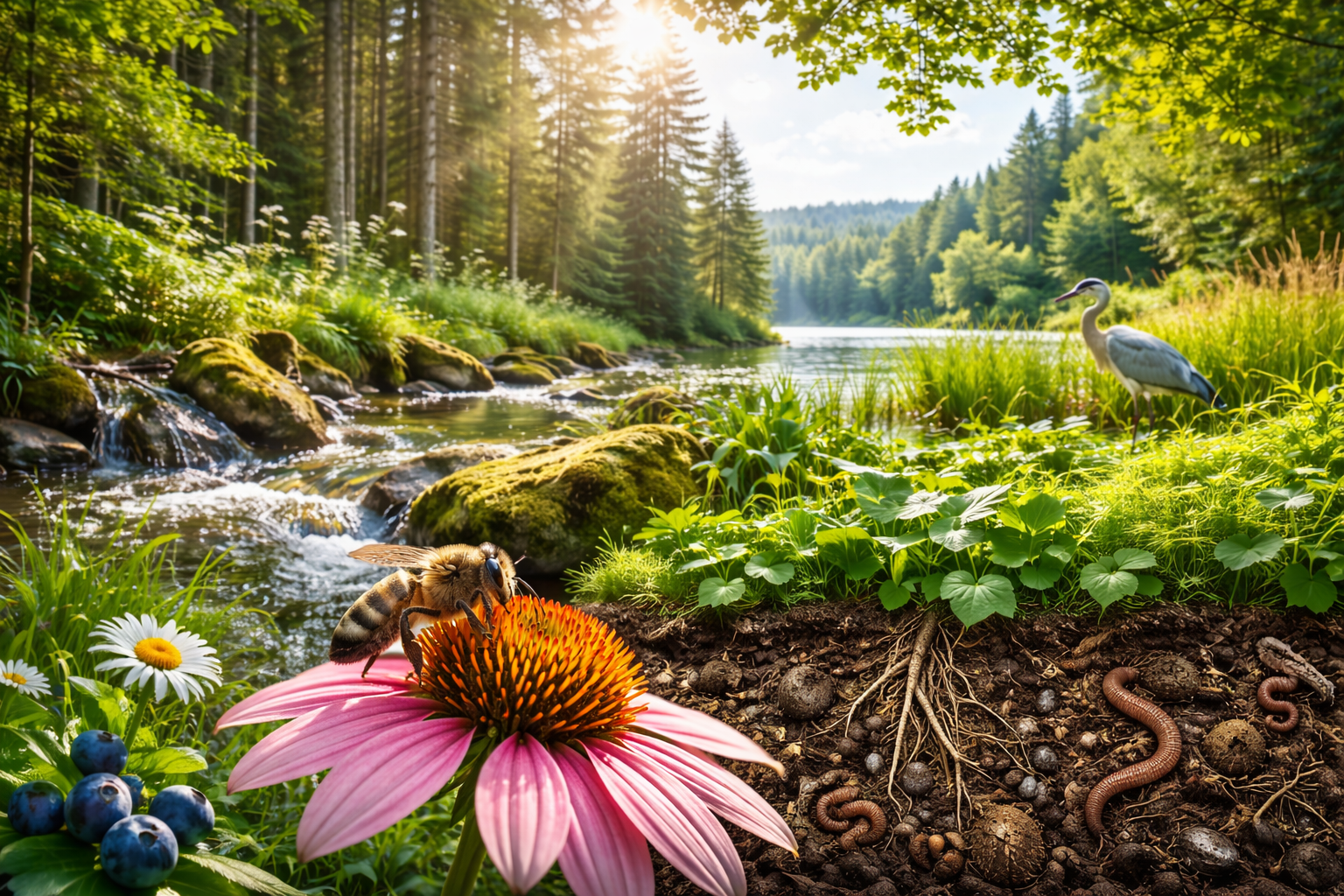
Every day, without contracts, invoices, or recognition, nature works continuously to support human life. Forests purify the air we breathe, insects ensure our food grows, soils quietly recycle nutrients, and microscopic organisms regulate processes we rarely notice until they fail. These benefits are known as ecosystem services—the natural processes and interactions that make the planet habitable for humans. Although often invisible, these services form the foundation of health, food security, economic stability, and overall well-being.
What Are Ecosystem Services and Why Do They Matter?
Ecosystem services refer to the benefits people receive from functioning ecosystems. They arise from complex relationships between plants, animals, microbes, soil, water, and climate. Unlike manufactured systems, ecosystems self-regulate and adapt, provided they remain intact.
When ecosystems are healthy, they reduce the need for artificial substitutes such as water treatment plants, chemical fertilizers, or climate control systems. When they degrade, human societies are forced to replace natural functions at enormous financial and environmental cost—often with limited success.
Forests: Natural Climate Regulators and Water Managers
Forests play a central role in regulating Earth’s climate and water cycles. Through photosynthesis, trees absorb carbon dioxide and store it in wood and soil, slowing the pace of climate change. Forest canopies also influence rainfall patterns, helping stabilize regional climates.
Equally important is their role in water management. Forest soils act like sponges, absorbing rainwater, filtering pollutants, and releasing clean water slowly into rivers and aquifers. This natural filtration reduces flooding, protects drinking water supplies, and minimizes erosion. When forests are cleared, these services collapse, leading to water shortages, landslides, and degraded river systems.
Pollinators: The Silent Architects of Global Food Systems
Bees, butterflies, birds, bats, and other pollinators are essential for the reproduction of many crops and wild plants. A significant portion of global food production depends on pollination, including fruits, vegetables, nuts, and seeds.
Without pollinators, yields decline, nutritional diversity shrinks, and food prices rise. Their work cannot be fully replicated by machines or humans at scale. Declines in pollinator populations due to pesticide use, habitat loss, and climate change pose a direct threat to food security worldwide.
Soil and Microbes: Life Beneath Our Feet
Healthy soil is not just dirt—it is a living ecosystem teeming with bacteria, fungi, insects, and microorganisms. These organisms break down organic matter, recycle nutrients, store carbon, and support plant growth. Microbes also form symbiotic relationships with plant roots, enhancing nutrient uptake and disease resistance.
In agriculture, fertile soil reduces the need for synthetic fertilizers and pesticides. In natural ecosystems, soil organisms regulate carbon storage and water retention. When soils are degraded through overuse, pollution, or erosion, ecosystems lose productivity and resilience.
Wetlands and Oceans: Nature’s Purification Systems
Wetlands, including marshes and mangroves, act as natural water filters. They trap sediments, absorb excess nutrients, and neutralize pollutants before water reaches rivers and oceans. Wetlands also protect coastlines from storms and provide breeding grounds for fish and birds.
Oceans, meanwhile, regulate global temperatures by absorbing heat and carbon dioxide. Marine ecosystems support fisheries, transport nutrients across vast distances, and generate oxygen through phytoplankton photosynthesis. Damage to these systems disrupts climate regulation and food chains on a planetary scale.
Cultural and Psychological Benefits of Nature
Beyond physical survival, ecosystems provide cultural, emotional, and psychological benefits. Time spent in natural environments reduces stress, improves concentration, enhances mood, and supports mental health. Green spaces in cities are linked to lower rates of anxiety, depression, and cardiovascular disease.
Nature also shapes cultural identity, traditions, and creativity. Landscapes influence art, language, spirituality, and community cohesion. These non-material services are harder to quantify but deeply woven into human experience.
What Happens When Ecosystem Services Decline?
When ecosystems degrade, the loss is not abstract—it is personal and immediate. Water becomes scarcer or polluted, food systems become fragile, diseases spread more easily, and extreme weather events intensify. Replacing natural services with technology is often costly, energy-intensive, and less effective.
Protecting ecosystems is not just an environmental issue; it is a public health strategy, an economic safeguard, and a long-term investment in human survival.
Recognizing Nature as a Partner, Not a Resource
Understanding ecosystem services changes how we view the natural world. Nature is not merely a collection of resources to be extracted, but a complex support system that works continuously on humanity’s behalf. Every tree, insect, microbe, and wetland contributes to a web of interactions that sustains life.
Protecting these systems means protecting ourselves. By preserving ecosystems, restoring degraded landscapes, and making decisions that respect natural processes, humans can ensure that nature’s invisible workforce continues its essential work—today and for generations to come.