
From Rubble to Resource: How Construction Waste Can Become Valuable New Materials
- Advertisement -
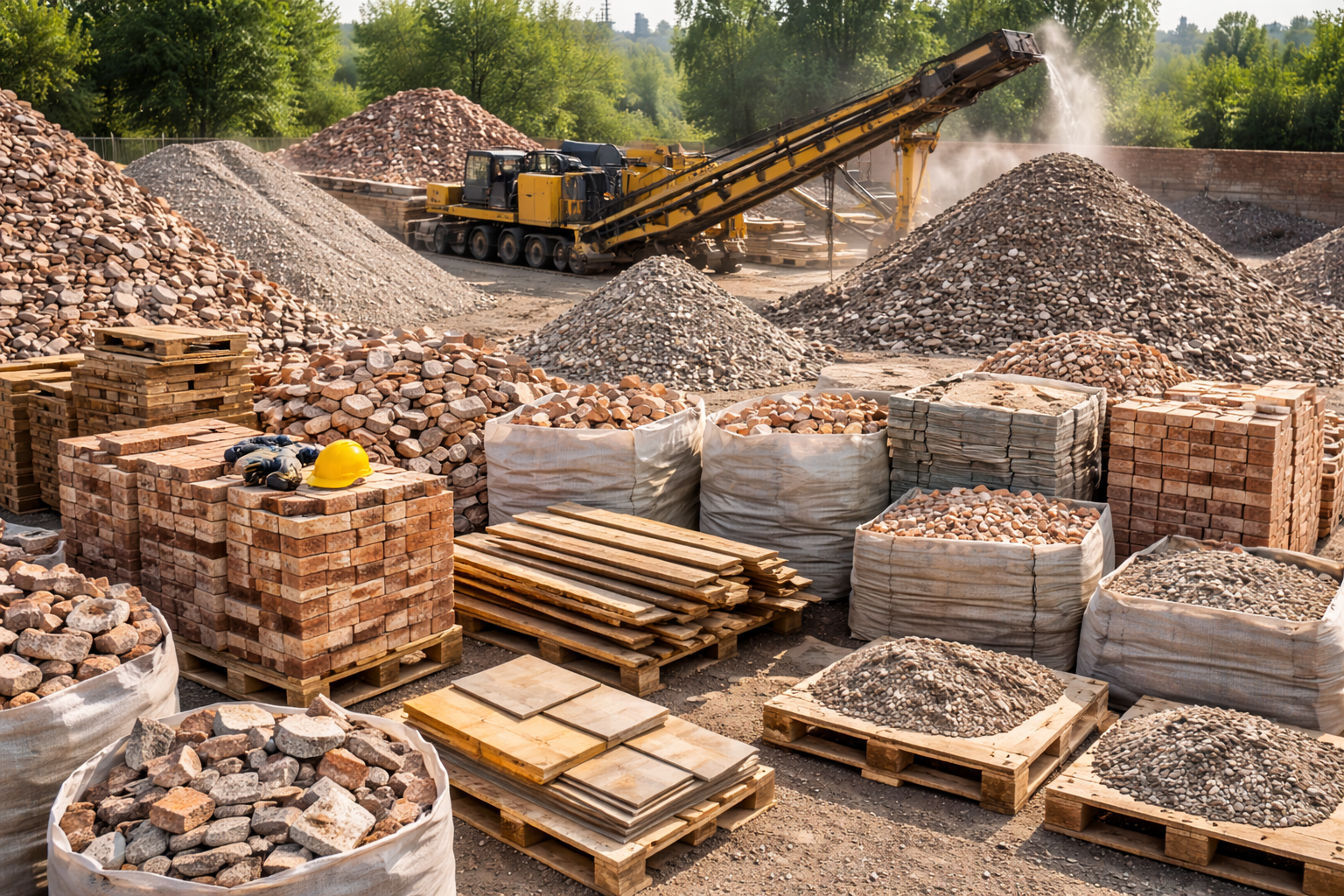
Every year, millions of tons of construction and demolition waste end up in landfills. Broken bricks, old wooden beams, concrete fragments, tiles, and plaster are often treated as useless debris once a building is renovated or demolished. However, this perception is rapidly changing. Around the world, construction waste is being reimagined as a valuable resource that can be converted into new materials, reduce environmental impact, and support a circular economy. Understanding how this conversion works helps homeowners, builders, and communities see waste not as a problem, but as an opportunity.
Why Construction Waste Is a Growing Environmental Challenge
The construction sector is one of the largest consumers of raw materials and one of the biggest producers of waste. Traditional linear building models follow a simple pattern: extract resources, build, demolish, and discard. This approach places enormous pressure on natural resources, increases carbon emissions, and fills landfills with materials that often take decades or centuries to degrade.
Bricks, concrete, ceramics, and treated wood do not easily break down in nature. When dumped, they occupy valuable landfill space and can contribute to soil and groundwater contamination. At the same time, new construction continues to demand sand, gravel, timber, and clay, leading to deforestation, habitat loss, and intensive mining. Converting old materials into new ones helps close this loop and reduce the need for virgin resources.
Reusing and Repurposing Bricks
Bricks are one of the most reusable construction materials. When carefully dismantled rather than smashed, old bricks can be cleaned and reused directly in new buildings, garden walls, or landscape projects. Even damaged bricks have value. Crushed brick can be used as a base layer for paths and driveways, as drainage material in gardens, or as an aggregate in new concrete mixes.
In some regions, brick waste is processed into brick powder, which can partially replace cement in mortar and concrete. This not only reduces waste but also lowers carbon emissions, since cement production is one of the most carbon-intensive industrial processes.
Giving Old Wood a Second Life
Wood from construction sites often ends up discarded due to nails, paint, or surface damage. However, reclaimed wood has enormous potential. Solid beams and planks can be refurbished and reused in flooring, furniture, shelving, or decorative elements. Reclaimed wood is highly valued for its durability, character, and unique appearance.
Smaller or damaged wooden pieces can be shredded into chips and used to produce particleboard, fiberboard, or insulation materials. In some cases, treated wood waste is converted into bioenergy, providing heat or electricity while reducing reliance on fossil fuels. Proper sorting is essential here to ensure that harmful chemicals do not enter the recycling stream.
Transforming Concrete and Cement Waste
Concrete is one of the most abundant construction wastes worldwide. While it may seem impossible to reuse, concrete recycling is already well established. Old concrete is crushed into recycled aggregate, which can be used in road construction, foundations, and even new concrete mixes.
Advanced processing techniques allow recycled concrete to retain much of its original strength, making it suitable for structural applications. Using recycled aggregate reduces the need for quarrying natural stone and gravel, preserving landscapes and ecosystems while cutting transportation emissions.
Recycling Tiles, Ceramics, and Glass
Ceramic tiles, porcelain, and sanitary ware are difficult to recycle through traditional household systems, but construction recycling facilities can handle them effectively. Crushed ceramics can be used as aggregate in concrete, road subbases, or landscaping materials.
Glass from windows and facades can also be recycled if separated properly. Clean construction glass is often easier to recycle than household glass, as it contains fewer contaminants. Recycled glass can be turned into new glass products, insulation materials, or even decorative building elements.
Innovative Materials from Construction Waste
Beyond traditional recycling, innovative solutions are emerging. Researchers and startups are developing new materials made from mixed construction waste, such as composite panels, eco-bricks, and modular blocks. Some companies create compressed blocks from demolition debris that can be used for non-load-bearing walls. Others experiment with combining waste materials and low-carbon binders to produce sustainable alternatives to conventional building products.
These innovations not only reduce waste but also create local jobs and new economic opportunities within the green construction sector.
How Individuals and Communities Can Contribute
Effective conversion of construction waste starts with proper planning and sorting. Homeowners renovating their houses can choose contractors who prioritize deconstruction over demolition and who work with recycling facilities. Separating materials on-site makes recycling more efficient and cost-effective.
Communities can support reuse centers, material banks, and local initiatives that collect and resell reclaimed building materials. Policies that encourage recycled content in new buildings and provide incentives for sustainable construction practices play a crucial role in scaling these solutions.
Building a Circular Future
Turning old bricks, wood, and tiles into new materials is not just a technical process—it represents a shift in mindset. Construction waste is no longer the end of a building’s life cycle, but the beginning of another. By embracing reuse, recycling, and innovation, the construction industry can significantly reduce its environmental footprint while creating durable, affordable, and sustainable building solutions.
The future of construction lies in seeing value where we once saw waste. With thoughtful design, responsible demolition, and modern recycling technologies, yesterday’s rubble can become tomorrow’s resources.