
Urban Soil Restoration: Why Healthy Soil Is Essential for the Future of Our Planet
- Advertisement -
Across the world, conversations about environmental protection often focus on forests, oceans, and air quality. While these topics are extremely important, one critical element of the planet’s health is frequently overlooked: soil. Healthy soil forms the foundation of ecosystems, food production, water filtration, and carbon storage. However, decades of urban expansion, pollution, and intensive agriculture have severely degraded soil quality in many regions. Urban soil restoration has emerged as an essential strategy for improving environmental sustainability and strengthening the relationship between cities and nature.
The Hidden Importance of Soil
Soil is much more than dirt beneath our feet. It is a living system filled with microorganisms, fungi, nutrients, and organic matter that support plant growth and maintain ecological balance. Healthy soil plays a key role in absorbing rainfall, preventing flooding, and filtering pollutants before they reach groundwater supplies. In addition, soil stores large amounts of carbon, making it an important ally in the fight against climate change.
When soil becomes degraded due to chemical contamination, erosion, or construction, its ability to perform these functions declines dramatically. In urban environments, soil is often compacted, polluted by heavy metals, or covered with asphalt and concrete. As a result, cities lose valuable natural systems that could otherwise help regulate temperature, manage water, and support biodiversity.
Causes of Urban Soil Degradation
Urban development has dramatically transformed landscapes over the past century. Construction projects frequently remove or compress topsoil, leaving behind nutrient-poor layers that struggle to support plant life. Pollution from vehicles, industrial activity, and improper waste disposal introduces toxic substances that further damage soil ecosystems.
Another major factor is the reduction of green spaces. Parks, gardens, and natural areas provide soil with organic matter and plant roots that help maintain structure and fertility. When these areas disappear, soil loses its natural ability to regenerate and sustain life. Over time, degraded soil contributes to urban heat islands, reduced biodiversity, and poorer air quality.
The Concept of Urban Soil Restoration
Urban soil restoration focuses on repairing damaged soil systems so they can once again support plant life and ecological balance. This process involves improving soil structure, increasing organic matter, and reducing contamination. Restoration projects often begin with soil testing to determine the level of pollution and nutrient deficiency present in a particular area.
One common technique involves adding compost and organic materials to restore nutrients and encourage microbial activity. Microorganisms play a vital role in breaking down organic matter and releasing nutrients that plants need to grow. In addition, planting vegetation with deep root systems helps loosen compacted soil and improve water absorption.
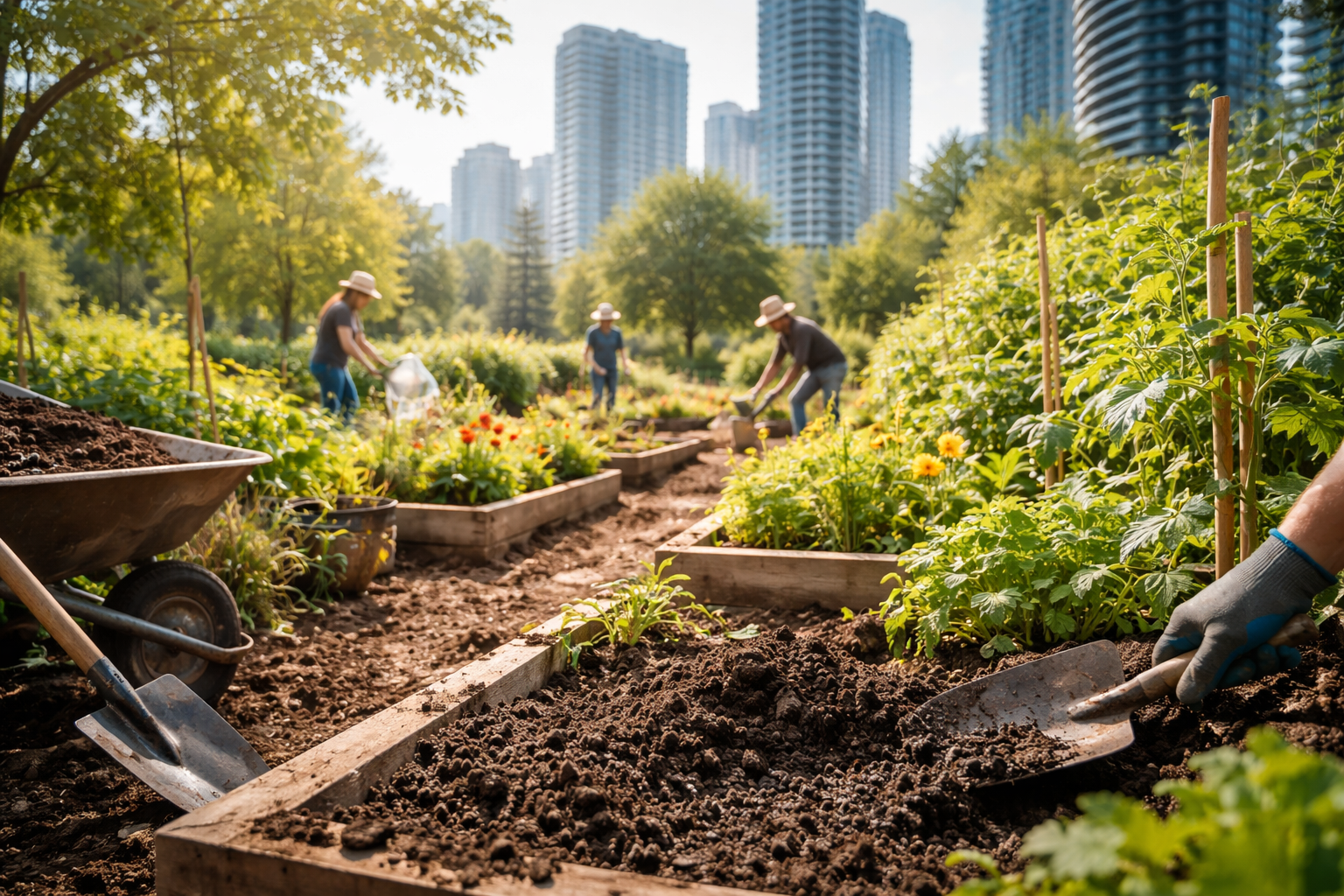
Green infrastructure initiatives are also becoming a powerful tool for soil restoration. Community gardens, urban forests, and green roofs not only beautify cities but also gradually rebuild soil health by introducing plant roots, organic debris, and microbial communities.
Environmental Benefits of Restoring Urban Soil
Restoring soil in urban environments provides a wide range of environmental benefits. Healthy soil improves water management by allowing rainwater to penetrate the ground instead of overwhelming drainage systems. This reduces the risk of urban flooding and helps recharge groundwater supplies.
Improved soil health also supports urban biodiversity. Insects, birds, and small animals depend on plants and soil organisms for survival. By rebuilding soil ecosystems, cities can create habitats that support a diverse range of species.
Another important advantage is climate regulation. Soil rich in organic matter can store significant amounts of carbon that would otherwise remain in the atmosphere as greenhouse gases. By restoring soil health, cities can contribute to climate mitigation efforts while improving local environmental conditions.
The Role of Communities in Soil Restoration
Urban soil restoration is not limited to government programs or environmental organizations. Communities and individuals can also play an important role in rebuilding soil health. Simple actions such as composting kitchen waste, planting native vegetation, and supporting local green spaces contribute to healthier soil systems.
Community gardens are particularly effective in demonstrating how urban soil can be revitalized. These spaces transform unused land into productive areas that provide fresh food, promote environmental education, and strengthen social connections among residents.
Looking Toward a Healthier Planet
Protecting and restoring soil may not receive the same attention as other environmental challenges, yet it remains one of the most powerful tools for improving planetary health. As cities continue to grow, integrating soil restoration into urban planning will become increasingly important. By recognizing soil as a living and essential resource, societies can create greener cities, healthier ecosystems, and a more sustainable future for generations to come.