
Urban Ecology and Micro-Greening: How Small Green Spaces Transform Cities
- Advertisement -
As cities continue to expand and urban populations grow, the need for sustainable solutions becomes increasingly urgent. One of the most promising and accessible approaches is urban ecology through micro-greening. This concept focuses on introducing small-scale green spaces into densely populated environments, transforming even the most compact areas into thriving ecological pockets. While large parks and nature reserves play a vital role, micro-greening proves that even the smallest interventions can have a significant environmental impact.
What Is Micro-Greening?
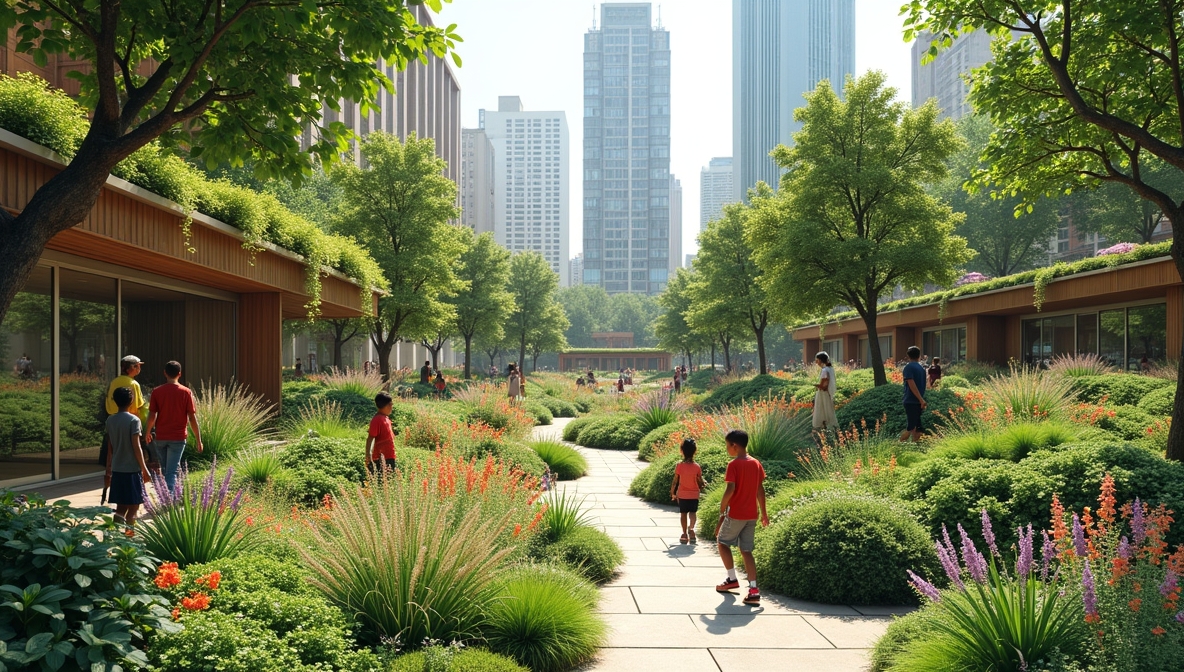
Micro-greening refers to the practice of integrating greenery into limited urban spaces such as balconies, rooftops, sidewalks, and even building facades. Unlike traditional landscaping, it does not require vast areas or extensive resources. Instead, it emphasizes creativity, efficiency, and adaptability.
These small green installations can take many forms, including vertical gardens, container plants, green walls, and pocket parks. They are designed to fit into existing urban infrastructure, making them accessible to individuals, communities, and city planners alike.
Environmental Benefits of Small Green Spaces
Despite their size, micro-green spaces offer substantial environmental advantages. One of the most important benefits is their ability to improve air quality. Plants absorb carbon dioxide and release oxygen, while also capturing dust and pollutants. In densely populated cities, even a modest increase in greenery can contribute to cleaner air.
Micro-greening also helps regulate urban temperatures. Concrete and asphalt surfaces tend to absorb and retain heat, creating what is known as the urban heat island effect. Green spaces, on the other hand, provide shade and release moisture into the air, helping to cool surrounding areas. This can reduce the need for air conditioning and lower energy consumption.
Water management is another critical benefit. Plants and soil can absorb rainwater, reducing runoff and decreasing the risk of flooding. In cities where drainage systems are often overwhelmed during heavy rains, micro-greening can play a supportive role in managing excess water.
Supporting Urban Biodiversity
Urban environments often lack the diversity of natural habitats, leading to a decline in local wildlife. Micro-greening helps address this issue by creating small but valuable habitats for birds, insects, and pollinators. Even a few flowering plants on a balcony can attract bees and butterflies, contributing to the broader ecosystem.
These green spaces also serve as stepping stones for wildlife, connecting fragmented habitats across the city. Over time, this network of micro-environments can significantly enhance urban biodiversity and ecological resilience.
Social and Psychological Impact
The benefits of micro-greening extend beyond environmental factors. Access to greenery has been shown to improve mental health, reduce stress, and enhance overall well-being. In urban settings where nature is often limited, even a small garden or green corner can provide a sense of calm and connection to the natural world.
Community-based micro-greening projects can also strengthen social bonds. Shared gardens and green initiatives encourage collaboration, fostering a sense of responsibility and pride among residents. These projects often become gathering spaces where people can connect and engage with their environment.
Practical Approaches to Micro-Greening
Implementing micro-greening does not require extensive expertise or resources. Simple steps can make a meaningful difference. Container gardening is one of the easiest methods, allowing individuals to grow plants in pots or recycled materials. Vertical gardens are another effective solution, especially in areas with limited ground space.
Rooftop gardens offer additional opportunities, transforming unused spaces into productive and aesthetically pleasing environments. These areas can support not only plants but also small-scale food production, contributing to local sustainability.
Choosing the right plants is essential for success. Native species are often the best option, as they are adapted to local conditions and require less maintenance. Drought-resistant plants can also be beneficial in areas with limited water availability.
Challenges and Future Potential
While micro-greening offers numerous benefits, it is not without challenges. Limited space, maintenance requirements, and initial costs can be barriers for some individuals and communities. However, increasing awareness and support from local governments can help overcome these obstacles.
Urban planning is gradually incorporating micro-greening strategies, recognizing their potential to complement larger environmental initiatives. Incentives, educational programs, and community partnerships are playing a key role in expanding these efforts.
Looking ahead, the integration of technology, such as smart irrigation systems and sustainable materials, may further enhance the effectiveness of micro-greening. As cities continue to evolve, these small green interventions could become a standard feature of urban design.
Conclusion
Micro-greening demonstrates that meaningful environmental change does not always require large-scale solutions. By transforming small urban spaces into green, functional areas, individuals and communities can contribute to cleaner air, improved biodiversity, and enhanced quality of life. As awareness grows and more people embrace this approach, micro-greening has the potential to reshape cities into healthier, more sustainable environments for future generations.