
Bioremediation Techniques for Contaminated Water Bodies: Harnessing Microorganisms for Natural Purification
- Advertisement -
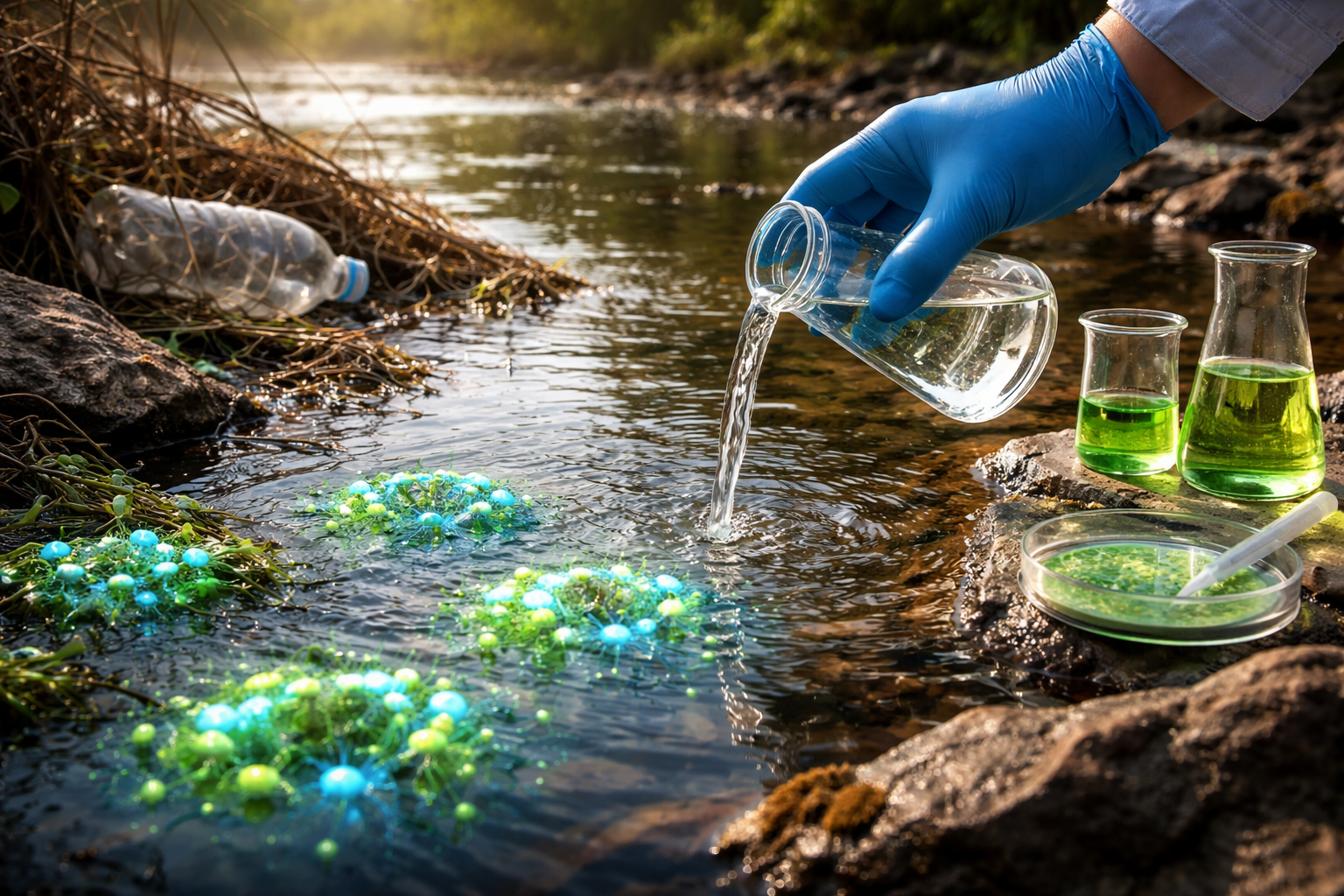
Water pollution has become one of the most pressing environmental challenges of the modern era. Industrial discharge, agricultural runoff, oil spills, and urban waste have significantly degraded rivers, lakes, and oceans across the globe. Traditional water treatment methods, while effective in certain contexts, can be expensive, energy-intensive, and sometimes harmful to ecosystems. In response to these challenges, bioremediation has emerged as a sustainable and innovative solution that uses naturally occurring microorganisms to restore contaminated water bodies.
Bioremediation is a process that relies on bacteria, fungi, algae, and other microorganisms to break down or neutralize pollutants. These microscopic organisms have evolved the ability to use various contaminants as sources of energy or nutrients, effectively transforming harmful substances into less toxic or harmless compounds. This natural approach not only reduces pollution but also supports the restoration of ecological balance in aquatic environments.
Understanding How Microorganisms Clean Water
Microorganisms play a vital role in natural ecosystems by recycling organic matter and maintaining environmental stability. In contaminated water bodies, specific strains of bacteria and fungi can metabolize pollutants such as hydrocarbons, heavy metals, and organic waste.
For example, certain bacteria are capable of breaking down oil compounds into carbon dioxide and water, making them especially useful in treating oil spills. Similarly, other microorganisms can absorb or transform toxic metals, reducing their concentration and toxicity in water systems.
The effectiveness of bioremediation depends on several factors, including temperature, oxygen levels, pH, and the availability of nutrients. When conditions are optimal, microbial populations can grow rapidly and significantly accelerate the cleanup process.
Types of Bioremediation Techniques
Bioremediation methods can be broadly categorized based on how microorganisms are applied to the contaminated environment. One common approach is in situ bioremediation, where microorganisms are introduced or stimulated directly within the polluted water body. This method minimizes disruption to the environment and is often used for large-scale contamination.
Another approach is ex situ bioremediation, which involves removing contaminated water and treating it in controlled environments such as bioreactors. This allows for precise control over conditions, leading to faster and more efficient pollutant degradation.
Bioaugmentation is a technique that involves adding specific strains of microorganisms that are known to degrade particular contaminants. This method is especially useful when native microbial populations are insufficient to handle the level of pollution present.
Biostimulation, on the other hand, focuses on enhancing the activity of existing microorganisms by adding nutrients or adjusting environmental conditions. This approach encourages natural microbial communities to become more effective in breaking down pollutants.
Advantages of Bioremediation
One of the main advantages of bioremediation is its environmental friendliness. Unlike chemical treatments, it does not introduce harmful substances into ecosystems. Instead, it works with natural biological processes to achieve cleanup.
Bioremediation is also cost-effective compared to many traditional methods. It often requires less energy and infrastructure, making it suitable for both developed and developing regions. Additionally, it can be applied to a wide range of contaminants, including oil, pesticides, industrial chemicals, and sewage.
Another significant benefit is the ability of bioremediation to restore ecosystems rather than simply removing pollutants. By improving water quality, it supports the recovery of aquatic life and promotes biodiversity.
Challenges and Limitations
Despite its many advantages, bioremediation is not without challenges. The process can be slower than chemical treatments, particularly in environments where conditions are not ideal for microbial activity. Factors such as low temperatures or insufficient oxygen can limit the effectiveness of microorganisms.
In some cases, certain pollutants may be resistant to microbial degradation, requiring additional treatment methods. There is also the need for careful monitoring to ensure that introduced microorganisms do not disrupt local ecosystems.
Furthermore, large-scale applications may require detailed planning and scientific expertise to achieve optimal results. Understanding the specific characteristics of the contaminated site is essential for selecting the appropriate bioremediation strategy.
Real-World Applications and Future Potential
Bioremediation has already been successfully applied in various environmental cleanup projects around the world. It has been used to treat oil spills in marine environments, restore polluted rivers, and manage wastewater in urban areas. Advances in biotechnology are further enhancing the capabilities of microorganisms, allowing scientists to develop more efficient and targeted solutions.
Genetic engineering is opening new possibilities by enabling the creation of microorganisms with enhanced pollutant-degrading abilities. These innovations could significantly improve the speed and effectiveness of bioremediation in the future.
As environmental concerns continue to grow, bioremediation offers a promising path toward sustainable water management. By harnessing the natural power of microorganisms, it provides a solution that aligns with ecological principles while addressing one of the most critical challenges facing the planet.
Conclusion
Bioremediation represents a powerful intersection of biology and environmental science. Its ability to utilize natural processes for cleaning contaminated water bodies makes it an attractive and sustainable alternative to traditional methods. While challenges remain, ongoing research and technological advancements continue to expand its potential.
By investing in bioremediation techniques and integrating them into broader environmental strategies, societies can move closer to restoring polluted water systems and protecting vital ecosystems for future generations.