
Battery and Rechargeable Battery Recycling: Collection Rules and Modern Recycling Technologies
- Advertisement -
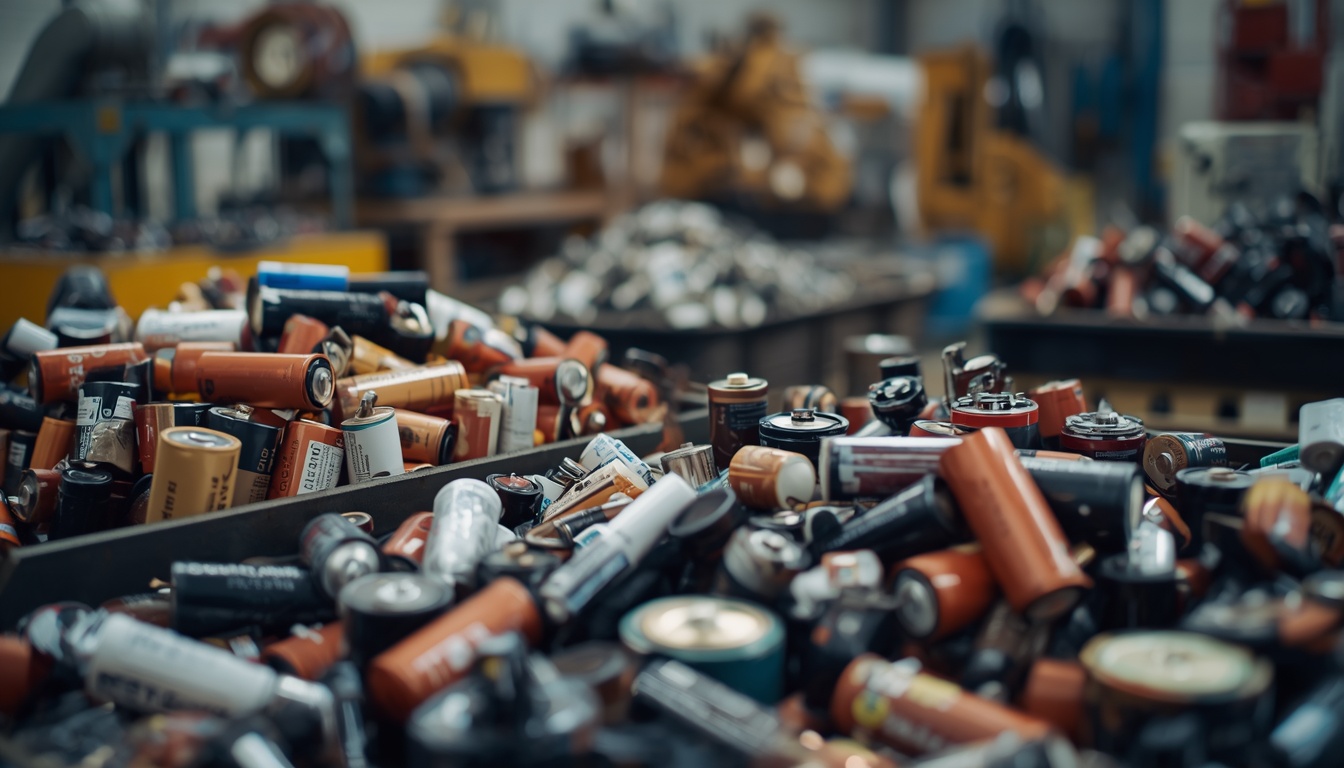
Batteries have become an essential part of modern life. From household remote controls and portable electronics to power tools, electric bicycles, and electric vehicles, portable energy storage makes countless everyday activities possible. However, every battery eventually reaches the end of its useful life. Disposing of used batteries improperly can create environmental and safety risks because many contain metals and chemical compounds that require careful handling. Recycling has therefore become an increasingly important component of sustainable waste management. By collecting batteries separately and processing them through specialized recycling facilities, valuable raw materials can be recovered while reducing pollution and conserving natural resources.
Why Batteries Should Never Be Treated as Ordinary Waste
Unlike many common household items, batteries are manufactured using a combination of metals, electrolytes, plastics, and other engineered materials designed to store electrical energy. Depending on the battery type, these materials may include lithium, nickel, cobalt, manganese, zinc, iron, copper, aluminum, and graphite.
When batteries are discarded with general household waste, they may become damaged during transportation or inside waste processing facilities. Some battery chemistries can generate heat or ignite if their terminals come into contact with metal objects or if the battery casing becomes punctured.
In landfills, damaged batteries may also contribute to soil and water contamination if protective casings deteriorate over long periods. Although modern battery designs have become safer than earlier generations, responsible disposal remains an important environmental practice.
Understanding Different Battery Types
Not all batteries require identical recycling processes because their chemical compositions differ significantly.
Disposable alkaline batteries are commonly used in household electronics and generally contain zinc and manganese compounds. Rechargeable nickel-metal hydride batteries remain popular in many consumer devices because they can withstand numerous charging cycles.
Lithium-ion batteries dominate today’s portable electronics, cordless tools, and electric vehicles due to their high energy density and relatively low weight. Lead-acid batteries continue to be widely used in automobiles and backup power systems, while specialized industrial applications rely on additional battery chemistries designed for particular performance requirements.
Because each battery type contains different materials, proper sorting is essential before recycling begins.
Safe Collection Begins at Home
Responsible recycling starts long before batteries arrive at a processing facility. Consumers play a critical role by collecting used batteries separately instead of placing them in regular trash containers.
Storing spent batteries in a cool, dry location helps reduce the likelihood of accidental damage before recycling. Batteries showing signs of swelling, leakage, overheating, or physical deformation should be handled carefully because damaged units may present additional safety concerns.
For lithium-ion batteries, covering exposed terminals with non-conductive tape helps reduce the risk of accidental short circuits during storage and transportation. Keeping batteries away from metal objects such as coins, keys, screws, or tools provides another important safety precaution.
Once collected, batteries should be delivered to authorized collection points rather than discarded through ordinary waste systems.
Collection Programs Continue to Expand
Many communities have established convenient battery collection programs to encourage proper recycling. Dedicated collection containers may be located in retail stores, recycling centers, municipal waste facilities, schools, office buildings, or electronics retailers.
Some manufacturers and retailers also participate in take-back programs that simplify responsible disposal for consumers. These initiatives help increase collection rates while reducing the number of batteries entering general waste streams.
Public awareness remains essential because convenient collection systems can only succeed when people recognize the importance of separating batteries from ordinary household waste.
What Happens After Collection?
Once batteries reach recycling facilities, they undergo several carefully controlled processing stages. The first step involves sorting batteries according to chemistry, size, and construction. Automated systems increasingly assist this process through advanced identification technologies, although manual inspection remains important for quality control.
After sorting, batteries are discharged when necessary to reduce remaining electrical energy before further processing begins. This improves worker safety while minimizing fire risks during mechanical treatment.
Depending on battery type, facilities may then dismantle battery packs into individual components or process entire batteries using specialized equipment designed for industrial recycling.
Mechanical and Chemical Recycling Technologies
Modern battery recycling combines mechanical separation with advanced chemical recovery techniques.
Mechanical processing typically begins by shredding batteries into smaller particles under carefully controlled conditions. Magnets, air classifiers, vibrating screens, and density separation systems then isolate metals, plastics, and other materials into different fractions.
Chemical recovery methods extract valuable elements from these separated materials. Hydrometallurgical processes use carefully controlled liquid solutions to dissolve and recover metals such as lithium, cobalt, nickel, and manganese. Pyrometallurgical methods rely on high-temperature furnaces to separate certain metals through controlled thermal treatment.
Researchers continue developing new recycling technologies that increase recovery efficiency while reducing energy consumption and minimizing environmental impacts.
Recovering Valuable Raw Materials
Battery recycling is not simply about reducing waste. It also supports resource conservation by recovering materials that can be used to manufacture new products.
Copper, aluminum, steel, nickel, cobalt, and lithium recovered through recycling reduce the demand for newly mined raw materials. This helps conserve natural resources while lowering some of the environmental impacts associated with mining and raw material extraction.
Recovered metals may return to battery manufacturing, while other materials find applications in construction, electronics, transportation, and numerous industrial sectors.
As demand for rechargeable batteries continues growing worldwide, efficient recycling is becoming increasingly important for establishing more sustainable supply chains.
Challenges Facing Battery Recycling
Despite remarkable technological progress, battery recycling still faces several challenges. Modern battery designs continue evolving rapidly, requiring recycling technologies to adapt accordingly.
Battery packs used in electric vehicles contain sophisticated electronic components, cooling systems, structural materials, and numerous individual cells that must often be carefully dismantled before material recovery can begin.
Collection rates also vary considerably between regions. Many consumers remain unaware that batteries require separate disposal, while others may not have convenient access to collection facilities.
Continued investment in recycling infrastructure, public education, and product design improvements will play a significant role in increasing recycling efficiency over the coming decades.
The Future of Circular Battery Use
Growing demand for electric vehicles, renewable energy storage, and portable electronics has placed greater attention on creating a circular economy for batteries. Instead of viewing used batteries as waste, manufacturers increasingly recognize them as valuable sources of recoverable materials.
Engineers are designing batteries with easier disassembly in mind, while researchers continue improving methods for recovering a greater percentage of valuable materials with lower environmental impact.
Second-life applications also extend the usefulness of certain rechargeable batteries. Vehicle batteries that no longer meet transportation performance requirements may continue serving for many years in stationary energy storage systems before ultimately entering recycling facilities.
Every Battery Matters
Proper battery recycling begins with individual choices. Separating used batteries from household waste, storing them safely, and delivering them to authorized collection points are simple actions that contribute to environmental protection and resource conservation.
Modern recycling technologies demonstrate that valuable materials do not need to become permanent waste. Through careful collection, advanced sorting, and sophisticated recovery processes, batteries can become an important source of raw materials for future manufacturing rather than a burden on the environment.
As battery use continues expanding across nearly every aspect of modern life, responsible recycling will remain one of the most effective ways to support sustainable resource management, reduce environmental impacts, and help build a more circular economy for future generations.