
Climate Migration: Where People Are Moving Because of Climate Change and What It Means for the Future
- Advertisement -
Climate change is no longer a distant environmental issue discussed only in scientific reports. It is increasingly becoming a direct force that shapes where and how people live. Around the world, rising temperatures, extreme weather events, prolonged droughts, and rising sea levels are pushing communities to leave their homes in search of safer and more stable environments. This phenomenon, known as climate migration, is rapidly emerging as one of the defining social challenges of the twenty-first century.
Unlike traditional migration driven by economic opportunity or political conflict, climate migration is deeply tied to environmental instability. In many cases, people are not leaving because they want to, but because remaining has become unsafe or unsustainable.
Rising Sea Levels and Coastal Displacement
One of the most visible drivers of climate migration is the rising level of the oceans. Coastal regions and island communities are particularly vulnerable, as even small increases in sea levels can lead to flooding, erosion, and the contamination of freshwater sources.
In low-lying areas, homes and infrastructure are gradually becoming uninhabitable. Entire communities face the possibility of relocation as coastlines retreat and storms become more destructive. For island nations, the threat is especially severe, raising concerns not only about displacement but also about cultural identity and national survival.
Many people from vulnerable coastal zones are moving inland toward larger cities or higher ground. However, this creates additional pressure on urban infrastructure, housing, and public services, especially in regions that are already densely populated.
Drought and the Collapse of Livelihoods
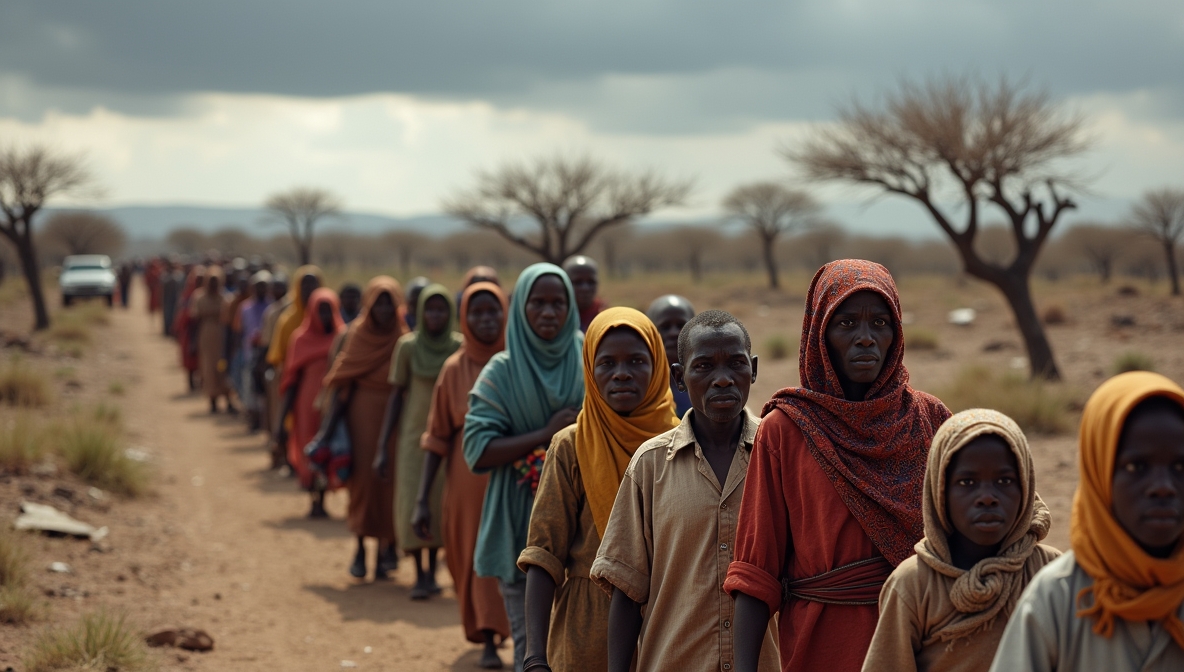
Long-term droughts are another major factor contributing to climate migration. In agricultural regions, changing rainfall patterns and increasing heat reduce crop yields and make farming increasingly unpredictable. Families that once depended on stable harvests may find themselves unable to sustain their livelihoods.
As water scarcity intensifies, competition for resources grows. Rural populations often migrate to urban centers in search of work, education, and more reliable access to water and food. This rural-to-urban migration is already transforming many parts of the world.
The emotional impact of leaving ancestral land should not be underestimated. For many communities, land is tied to identity, history, and tradition. Losing the ability to remain there represents not only economic hardship but also a profound cultural loss.
Extreme Weather and Sudden Displacement
Climate change is also increasing the frequency and intensity of natural disasters such as hurricanes, floods, and wildfires. Unlike gradual environmental changes, these events can force people to leave their homes suddenly, often with little time to prepare.
Some displaced individuals return once conditions stabilize, but others are unable to rebuild due to repeated disasters or financial limitations. Over time, temporary displacement can become permanent migration.
Communities affected by repeated extreme weather events often face psychological stress in addition to physical destruction. The uncertainty of future disasters creates long-term anxiety and instability, especially for families with limited resources.
The Social and Economic Impact of Climate Migration
Climate migration affects not only those who move but also the regions that receive new populations. Rapid population growth in safer areas can strain housing markets, healthcare systems, schools, and transportation networks.
At the same time, migration can also bring economic and cultural benefits. New communities contribute skills, labor, and diversity, which can strengthen local economies when integration is managed effectively.
However, without proper planning, competition for jobs and resources may increase social tensions. Governments and policymakers are increasingly recognizing the need to prepare for these shifts by developing infrastructure and support systems that can adapt to changing population patterns.
Climate Migration and Global Inequality
One of the most striking aspects of climate migration is its connection to inequality. Communities that contribute the least to global carbon emissions are often the most vulnerable to climate-related displacement. Developing regions frequently lack the resources needed to adapt to environmental changes, making migration one of the few available survival strategies.
This imbalance raises important ethical and political questions. Wealthier nations may face increasing pressure to support climate adaptation efforts, provide humanitarian assistance, and develop fair migration policies.
The issue also challenges traditional definitions of refugees and migration law. Many climate migrants do not fit existing legal categories, leaving them without clear international protection.
Adapting to a Changing Future
As climate migration becomes more widespread, adaptation will play a critical role in reducing forced displacement. Investments in resilient infrastructure, sustainable agriculture, water management, and disaster preparedness can help communities remain in place longer and reduce vulnerability.
Urban planning must also evolve to accommodate shifting populations. Cities will need to become more flexible, inclusive, and environmentally sustainable in order to manage future migration pressures effectively.
Education and international cooperation are equally important. Climate migration is a global issue that cannot be addressed by individual countries alone. Shared strategies and long-term planning will be essential in creating humane and sustainable solutions.
A Defining Challenge of the Century
Climate migration represents more than a movement of people—it reflects the growing connection between environmental change and human survival. Behind every migration statistic are individuals and families forced to make difficult decisions about safety, identity, and the future.
As the climate continues to change, migration patterns are likely to reshape societies, economies, and political systems around the world. Understanding these movements is essential not only for responding to immediate humanitarian needs but also for preparing for a future where environmental stability will increasingly determine where people can live and thrive.